

Tanzania is one of the few places on Earth where the wildlife spectacle matches its reputation. The Serengeti’s endless plains, the wildlife-packed floor of Ngorongoro Crater, and the elephant herds beneath Tarangire’s baobabs draw travelers from every continent. Add Mount Kilimanjaro on the horizon and the beaches of Zanzibar a short flight away, and it is easy to see why Tanzania safari holidays consistently rank among the best in Africa.
This guide explains what makes Tanzania special, which parks to prioritize, when to go, how to choose a style of safari, and how to plan a trip that fits your budget and interests.
Why Choose Tanzania for a Safari Holiday?
Exceptional wildlife density. Tanzania protects around a quarter of its land as national parks, reserves, and conservation areas. The Big Five (lion, leopard, elephant, buffalo, and rhino) are all present, along with cheetahs, hippos, giraffes, zebras, and hundreds of bird species.
The Great Migration. Each year, well over a million wildebeest, together with zebras and gazelles, move in a continuous loop through the Serengeti ecosystem, followed by predators. It is widely regarded as one of the greatest wildlife events on the planet.
Variety of landscapes. In one trip you can move from open grassland to volcanic highlands, acacia woodland, rivers, soda lakes, and coastline.
Culture and welcome. Tanzania’s people, from Maasai communities to Swahili coastal towns, add depth to any itinerary. Swahili is widely spoken, and English is common in the tourism sector.
Safari plus beach. Few destinations make it so easy to finish a wildlife trip with a tropical island stay.
The Best National Parks and Reserves
Tanzania’s parks are organized into two broad regions, the northern circuit and the southern and western circuits.
Northern Circuit
Serengeti National Park. The flagship park, covering roughly 14,750 square kilometers. Its big-cat sightings are among the best in Africa, and the migration passes through different areas at different times of year. The central Seronera region is productive year-round, while the north is quieter and more remote.
Ngorongoro Conservation Area. Home to the world’s largest intact volcanic caldera, whose floor supports dense wildlife, including black rhino. It is also a place where people and wildlife share land, as Maasai pastoralists live in parts of the conservation area.
Tarangire National Park. Famous for large elephant concentrations and baobab trees, especially from June to October when animals gather along the river.
Lake Manyara National Park. A compact park with a groundwater forest, flamingos on the lake in suitable seasons, and the occasional tree-climbing lion.
Southern and Western Circuits
Nyerere National Park. Africa’s largest game reserves region, now a national park, offering boat safaris on the Rufiji River, walking safaris, and low visitor numbers.
Ruaha National Park. A rugged, remote park known for lions, large elephant herds, and species such as greater kudu and sable antelope.
Mahale Mountains and Gombe Stream. Western parks on Lake Tanganyika that are best known for chimpanzee trekking, suited to travelers who want something beyond classic savannah safaris.
When Is the Best Time for Safari Holidays in Tanzania?
Timing shapes your experience more than almost any other decision.
| Period | Conditions | Highlights |
| June to October | Dry, cooler, thin vegetation | Best general game viewing, northern Serengeti river crossings (roughly July to October), peak season |
| November to December | Short rains, green landscapes | Fewer crowds, good birding, lower rates |
| January to March | Warm, mostly dry with some rain | Calving season in the southern Serengeti and Ndutu region, strong predator action |
| April to May | Long rains | Lowest prices, quietest parks, some camps closed, muddy roads |
The migration follows rainfall, so exact locations shift from year to year. Treat these periods as a guide and ask your operator for current advice.
Choosing Your Style of Safari
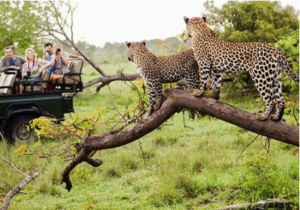
Budget and Camping Safaris
Group departures with shared vehicles, basic camps, and simple meals. These are the most affordable way to see the parks, and they suit adventurous travelers who accept more basic comfort.
Mid-Range Lodge Safaris
The most popular option. Expect comfortable lodges or permanent tented camps, private or shared vehicles, and good food. This style balances cost and comfort well.
Luxury Safaris
Small, exclusive camps, gourmet dining, spa facilities, and expert private guides. Many luxury properties are positioned in prime locations, reducing travel time and maximizing sightings.
Private vs. Group Tours
Private tours allow you to control the pace, interests, and photography stops, which is worth considering for families, couples, and photographers. Group tours cost less but follow a fixed schedule.
Fly-In vs. Drive-In
Light-aircraft flights between parks save hours on the road and give aerial views, but they cost more and have luggage limits. Drive-in safaris are cheaper and let you see the countryside, though distances can be long.
Unique Experiences to Add to Your Trip
- Hot-air balloon flight over the Serengeti at dawn
- Walking safari with an armed ranger in selected areas
- Night game drives in certain private concessions and conservation areas
- Cultural visits to Maasai or Hadzabe communities, arranged ethically
- Chimpanzee trekking in Mahale or Gombe
- Kilimanjaro climb before or after your safari
- Zanzibar beach extension with snorkeling, Stone Town, and spice tours
What a Typical Itinerary Looks Like
Short trip (5 to 6 days): Tarangire, Ngorongoro Crater, and the Serengeti. This covers the classic highlights quickly.
Classic trip (8 to 10 days): Tarangire, Lake Manyara, Ngorongoro, and a longer Serengeti stay with different bases to follow the herds.
Extended trip (12 to 14 days): The northern circuit plus either southern parks such as Nyerere and Ruaha, or a beach finish in Zanzibar.
Allow at least two nights in the Serengeti. The park is huge, and longer stays raise your chances of strong sightings.
Practical Planning Advice
Visas and entry. Most visitors need a visa, usually obtainable online in advance. Rules and health requirements, including yellow fever documentation depending on your route, can change, so confirm with official government sources before you travel.
Health and safety. Visit a travel clinic well before departure to discuss malaria prophylaxis and vaccinations. Use repellent, and follow your guide’s instructions at all times, especially around wildlife.
What to pack. Neutral clothing, layers for cold mornings, a hat, sunscreen, sturdy shoes, binoculars, and a camera with a zoom lens. On light aircraft, use soft-sided bags within the stated weight limit.
Budget. Tanzania is a premium destination. Daily costs depend on season, accommodation, and group size. Park fees, concession fees, vehicle hire, and guide costs all contribute. Ask for itemized quotes so you can compare operators on equal terms.
Tipping. Tipping guides, drivers, and camp staff is customary. Ask your operator for current guidelines.
Connectivity. Mobile coverage is patchy in remote areas. Many lodges offer limited Wi-Fi, so treat your trip as a chance to disconnect.
How to Choose a Safari Operator
Your operator influences nearly everything about your holiday. Look for:
- Proper licensing and registration with Tanzanian tourism authorities
- Transparent pricing, with clear inclusions and exclusions
- Experienced, well-trained guides and well-maintained vehicles
- Recent, verifiable reviews from independent platforms
- A clear cancellation, refund, and emergency policy
- Genuine commitment to conservation and local communities
Be cautious of prices that seem far below market. Very cheap deals can mean cut corners on vehicle quality, guide pay, or safety.
Travelling Responsibly
Tourism supports conservation and local livelihoods in Tanzania, but how you travel matters. Choose operators who employ and train local staff, respect wildlife distances, avoid single-use plastics where possible, and contribute to community or conservation projects. Never encourage guides to approach animals too closely, and ask permission before photographing people.
Conclusion
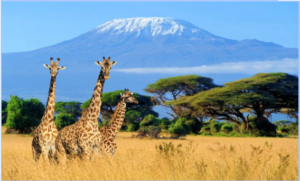
Tanzania safari holidays deliver a rare mix of scale, wildlife, and variety, from the Serengeti’s migration to the quiet wilderness of the south and the beaches of the coast. The best trips come from matching the season to your interests, choosing a style of safari that fits your budget, and working with a reputable local operator who knows the parks well. Give yourself enough time in each destination, stay flexible, and be ready to spend long mornings watching life unfold in the wild. Few holidays leave such lasting memories.
Key Takeaways
- Tanzania offers the Great Migration, the Big Five, and diverse landscapes in one destination.
- The northern circuit (Serengeti, Ngorongoro, Tarangire, Manyara) is the most popular, while Nyerere and Ruaha suit those seeking quieter wilderness.
- June to October is the classic dry-season window, and January to March is excellent for the calving season.
- Safaris can be tailored from budget camping to ultra-luxury, in private or group formats.
- Spend at least two nights in the Serengeti and avoid rushing between parks.
- Confirm visa, health, and baggage requirements well before departure.
- Choose a licensed, transparent, and responsible operator, and be wary of unrealistically low prices.
- Zanzibar and other islands make an ideal beach extension.
Frequently Asked Questions
- How many days do I need for a Tanzania safari holiday?
Seven to ten days is a good length for the northern circuit. Shorter trips of four to five days can cover highlights, while 12 to 14 days allow for more parks or a beach extension. - What is the best month for a Tanzania safari?
It depends on your priorities. June to October is best for general game viewing and river crossings, while January to March suits calving season and fewer crowds. - Is Tanzania safe for tourists?
Tanzania is an established safari destination with a strong tourism infrastructure. Follow your guide’s advice, keep valuables secure, and check your government’s current travel advisories before departure. - Can I see the Big Five in Tanzania?
Yes, all five are present. Rhinos are the hardest to spot, with Ngorongoro Crater the most reliable place to see black rhino. - Do I need vaccinations for Tanzania?
Requirements vary by nationality and route. Consult a travel health professional several weeks before departing, particularly about malaria prevention and yellow fever. - Is a private or group safari better?
Private safaris offer flexibility and a personalized pace, while group safaris are more affordable and sociable. The right choice depends on budget and travel style. - Is Tanzania suitable for families with children?
Yes, many lodges and operators welcome families, though age limits apply at some camps and for activities such as walking safaris. Check policies when booking. - Can I combine a safari with Kilimanjaro or Zanzibar?
Yes. Many travelers climb Kilimanjaro first, then go on safari, or end the trip with a few relaxing days in Zanzibar.